
Zermatt: Trails Beneath the Matterhorn
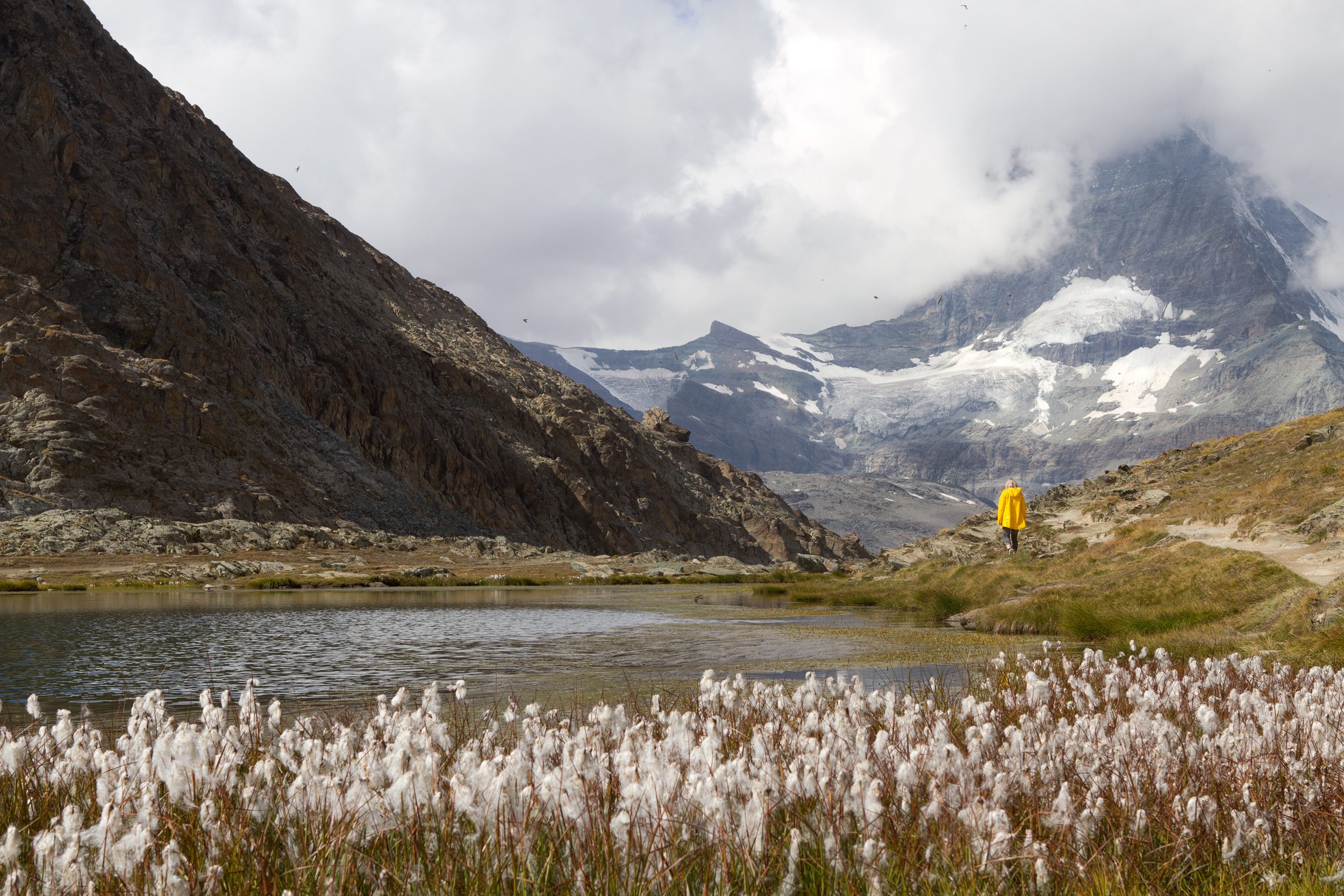
Hiking along Riffelsee
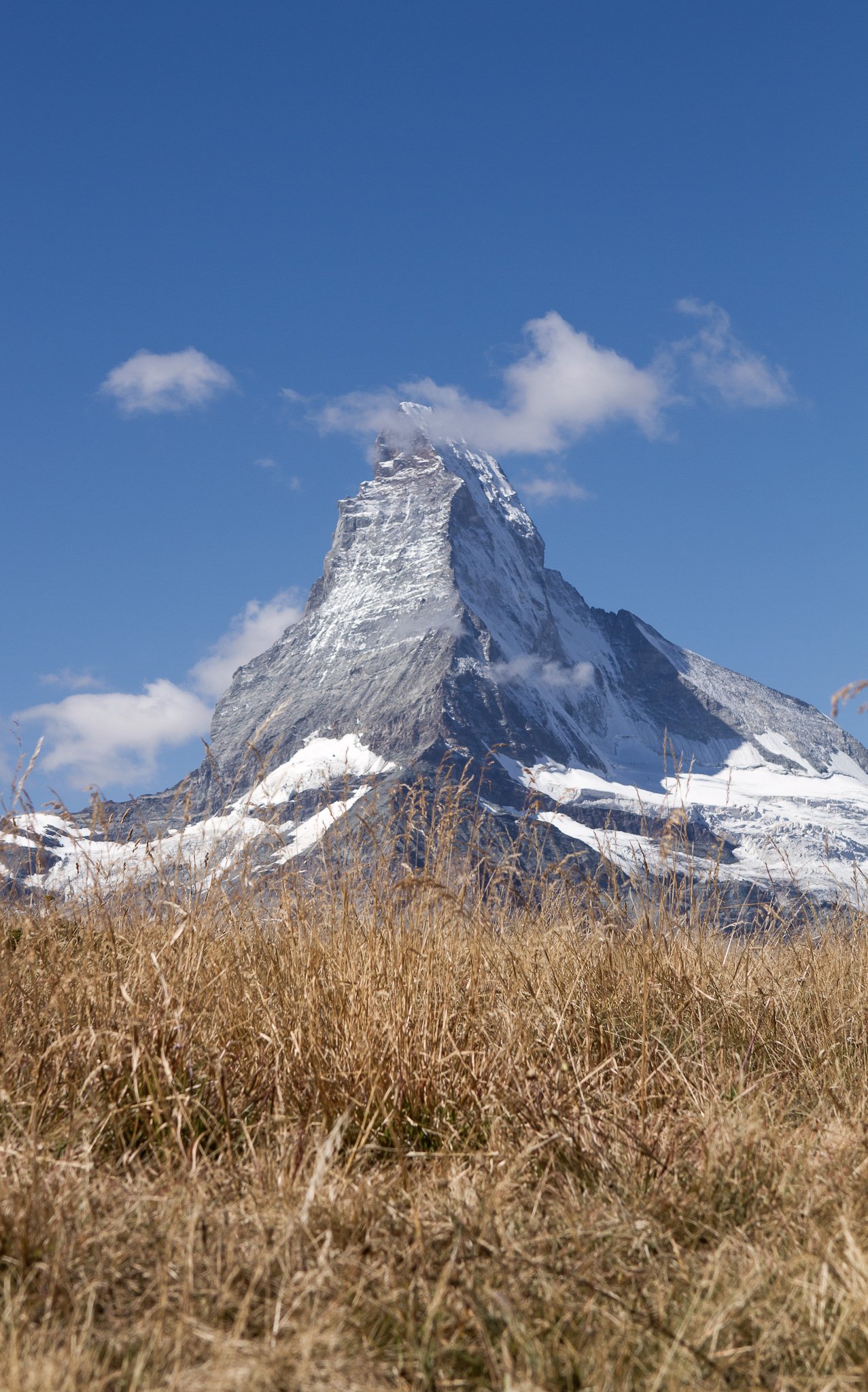
Zermatt feels like a village built around a mountain-shaped heartbeat. Everything — the trails, the breakfasts, the cowbells, the quiet mornings — seems to draw your attention back to the Matterhorn, a peak so iconic it has given the place one of its nicknames: Matterhorn glacier paradise, thanks to year‑round skiing and glacier access.
But Zermatt isn’t just a postcard. It’s a place where you start your day with crisp mountain air, end it with tired legs and good food, and spend the hours between stringing together trails, lakes, viewpoints, and stories worth keeping.
This is your guide — part experience, part trail companion, part food memory — shaped by the days we spent wandering here in September.
When to Go — And What You’ll Walk Into
Zermatt is busy in summer and winter — its two main tourism peaks. It’s one of Switzerland’s most famous resorts, renowned globally for skiing and mountaineering.
But September hits the sweet spot.
The weather still holds, the trails are mostly dry, the crowds thin out, and the first hints of autumn sit on the ridgelines. Eating breakfast outdoors still feels natural, and the light is soft enough to turn every hike into a small photograph.
Just don’t expect it to be cheap — Zermatt is known for luxury, with more than 100 hotels and a high concentration of upscale dining.
Everything from coffee to cable cars carries the high-altitude price tag. But the payoff is there in every view.
Trails You Shouldn’t Miss
The 5-Lakes Trail — Zermatt’s Most Classic Loop
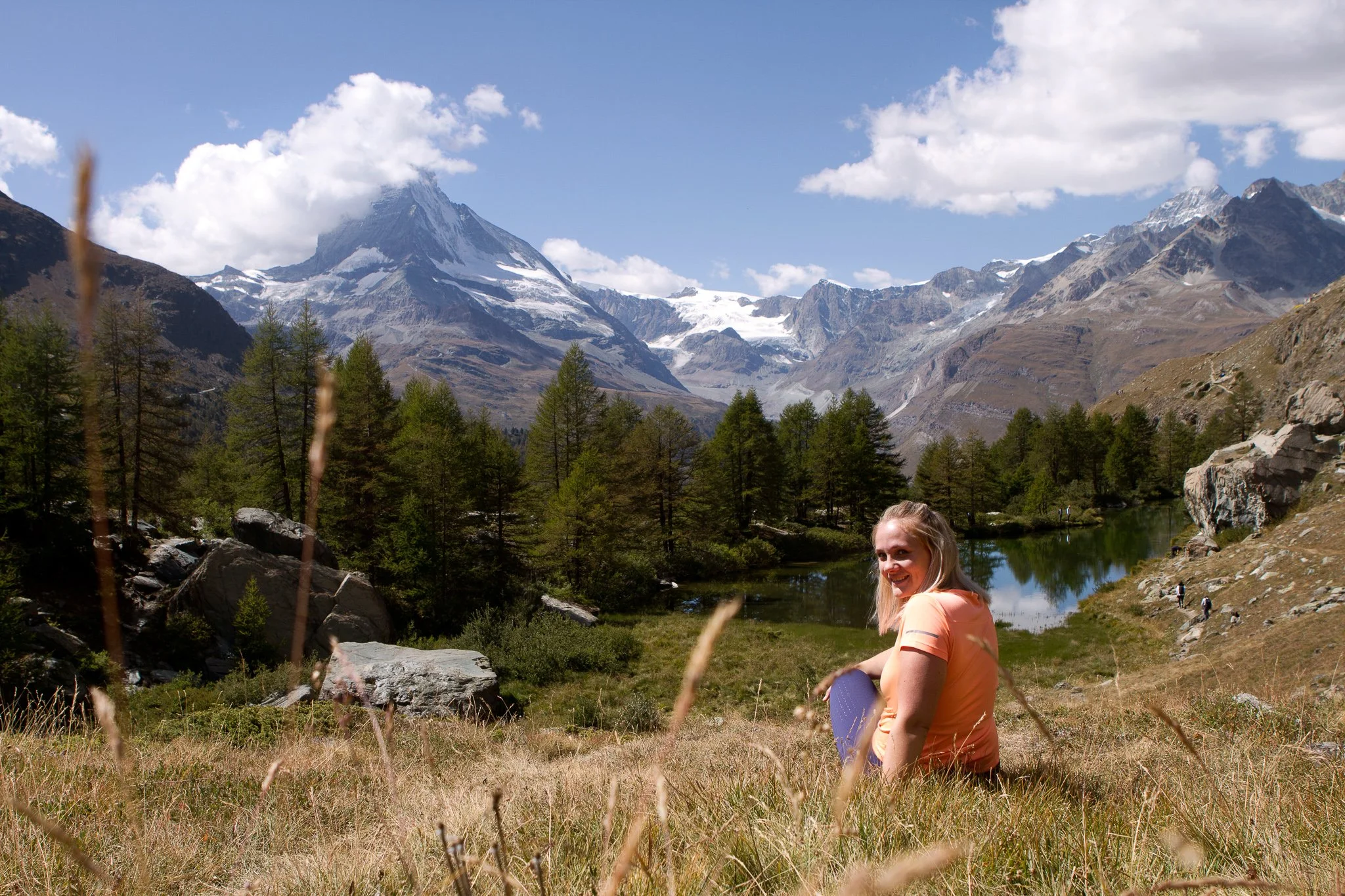
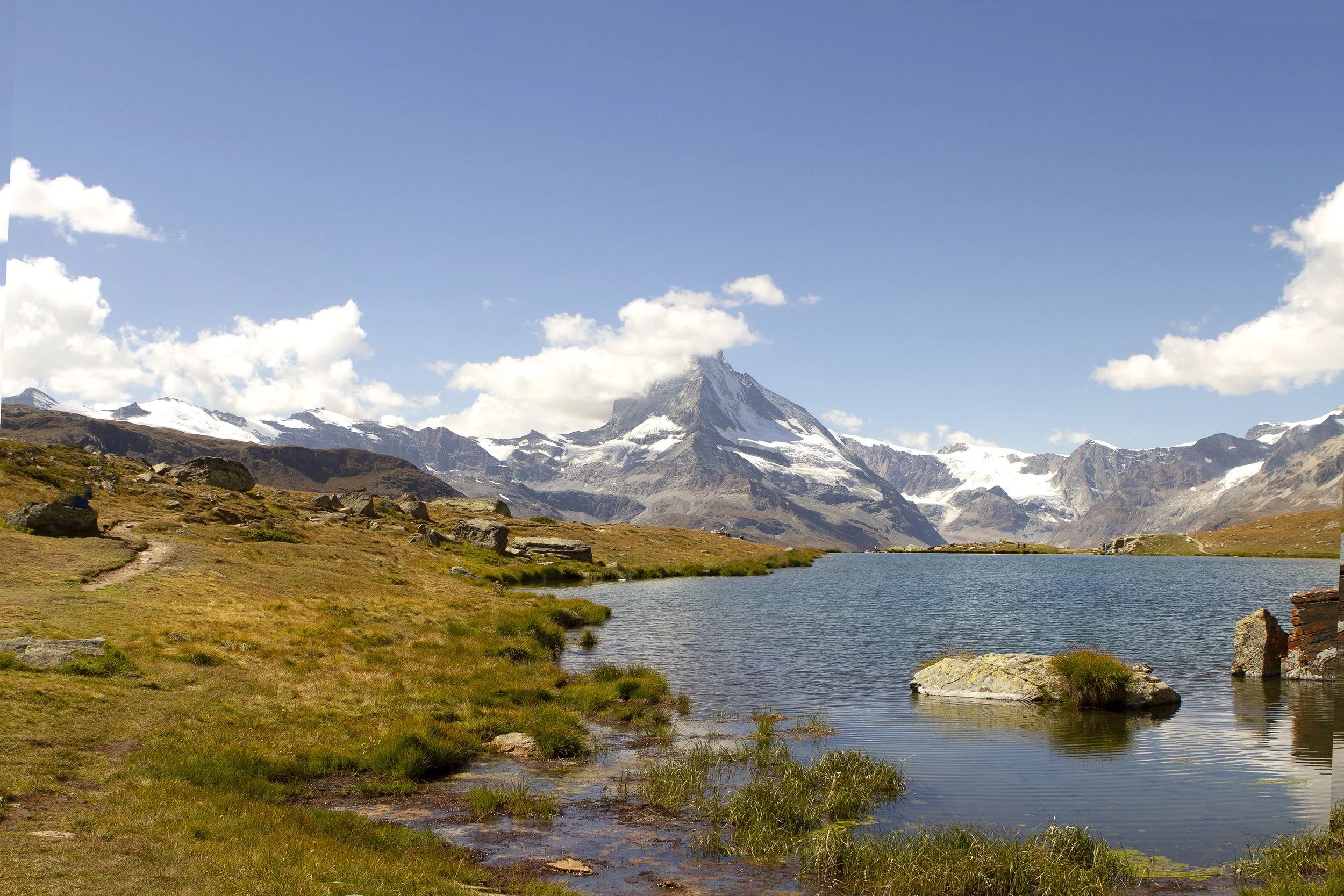
This is one of the region’s signature hikes: an alpine circuit linking five reflective lakes, each framing the Matterhorn differently. While the trail is well-known and popular, its charm doesn’t fade — early morning or late afternoon helps you avoid the busiest flow.
The terrain rolls gently, ideal for an unhurried day. The lakes — Stellisee, Grindjisee, Grünsee, Moosjisee, and Leisee — stretch the story of the mountain across water, light, and shifting angles.
It’s the perfect introduction to Zermatt’s landscape: accessible, iconic, and full of small moments.
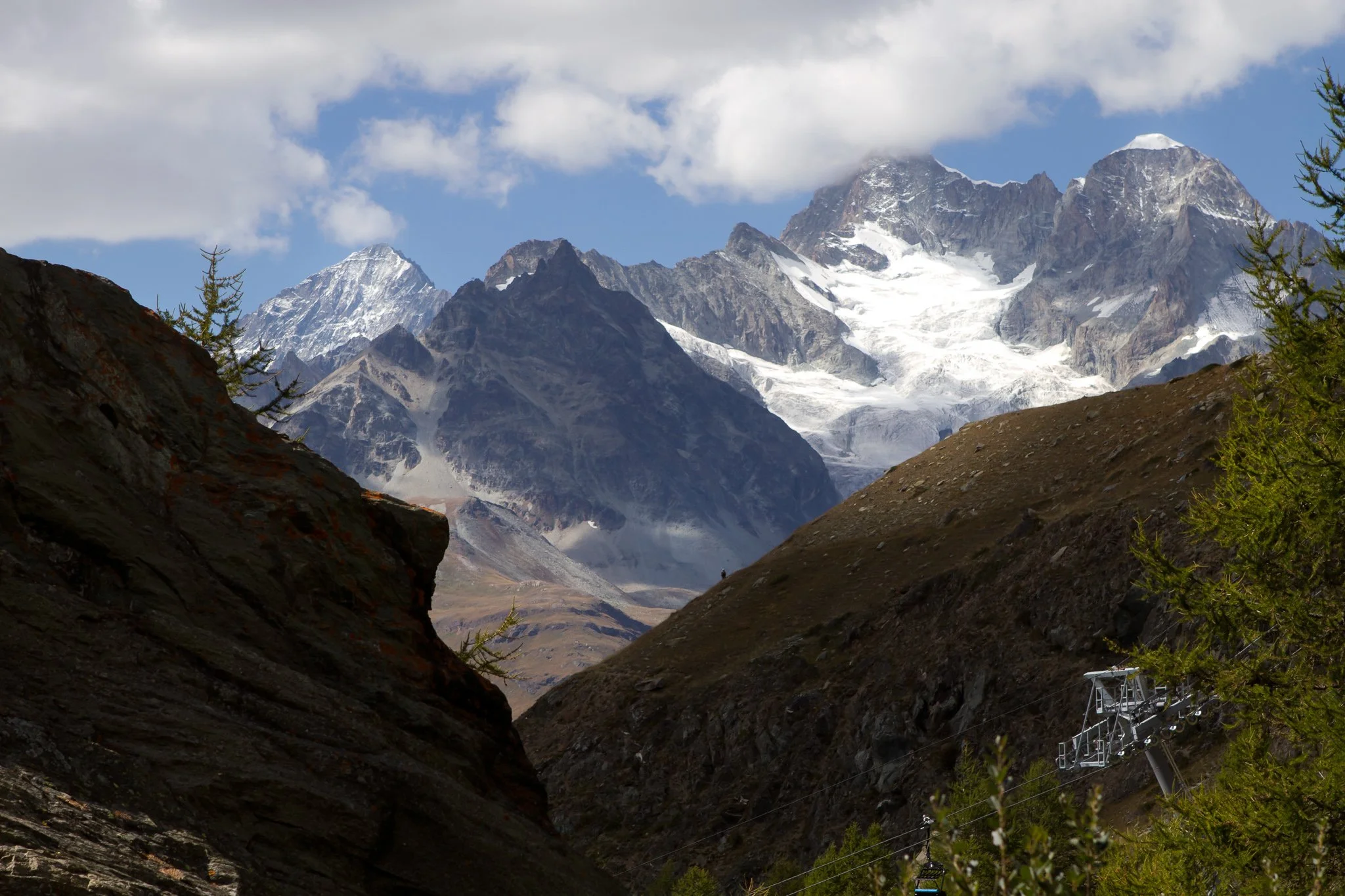
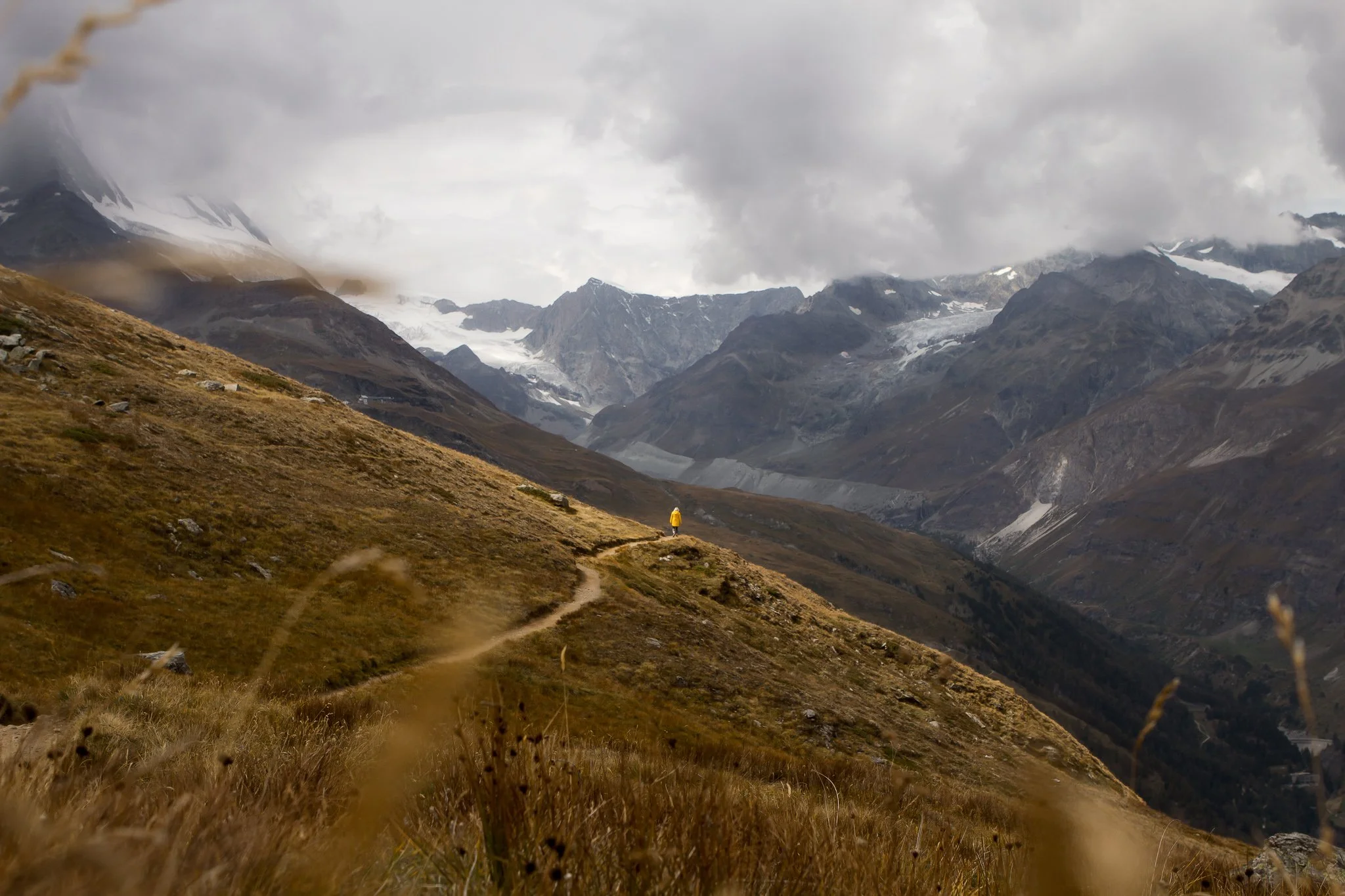
Gornergrat to Zermatt — A Descent Through Alpine Cinema
Taking the Gornergrat Bahn — one of the most scenic cog railways in Switzerland, running above the Mattertal with panoramic views of Matterhorn and surrounding glaciers — gives you a dramatic start.
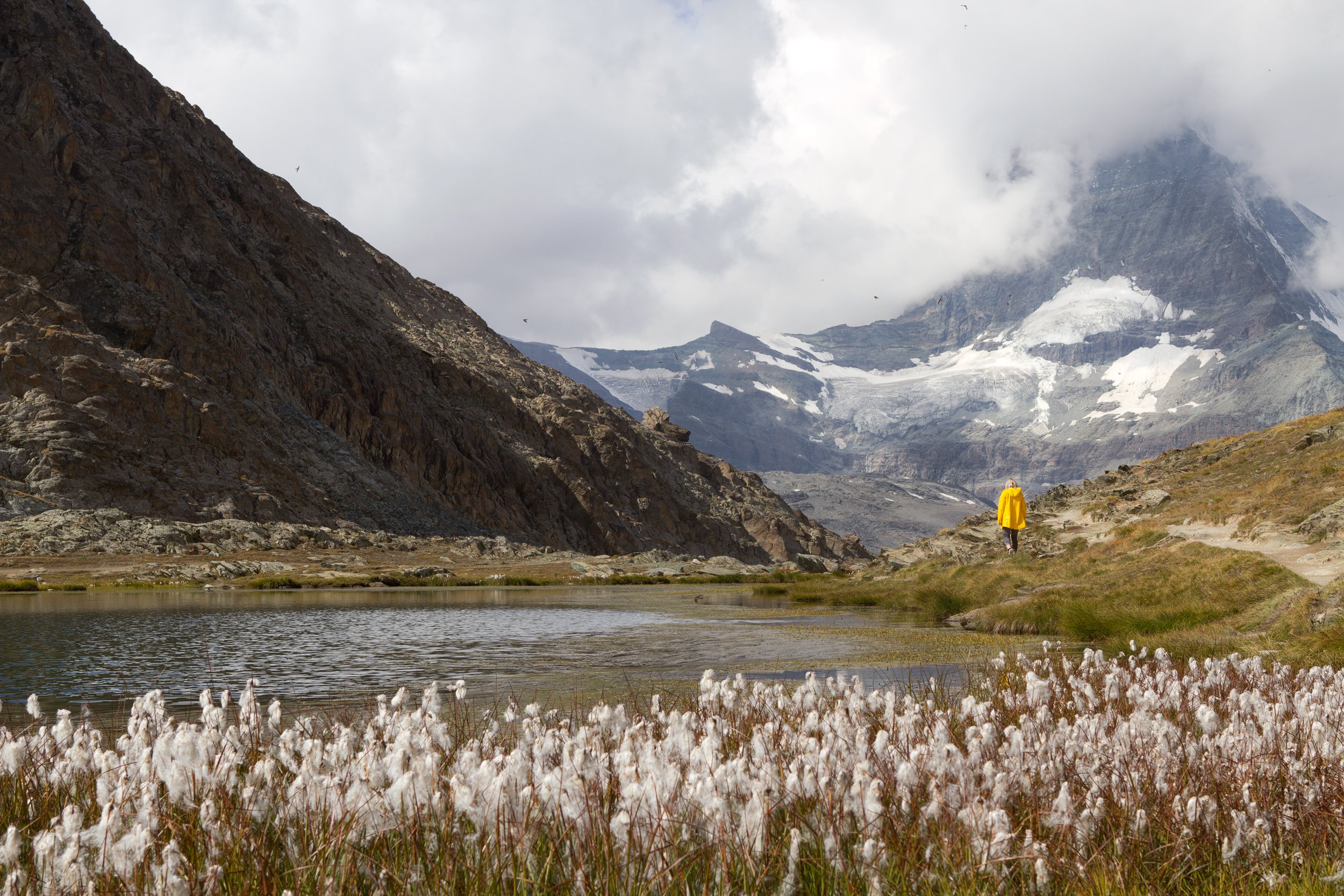
From the station, the descent traces a changing world of rock, light, and glacial silence. Riffelsee appears like a mirror laid between ridges, catching the Matterhorn in perfect symmetry. This is one of the most photographed spots in the Alps, for good reason.
Below Riffelalp, the trails soften, weaving through larch forests and open slopes. The views of Zermatt down-valley guide you home.
A perfect half-day if your legs want movement but not a heavy climb.
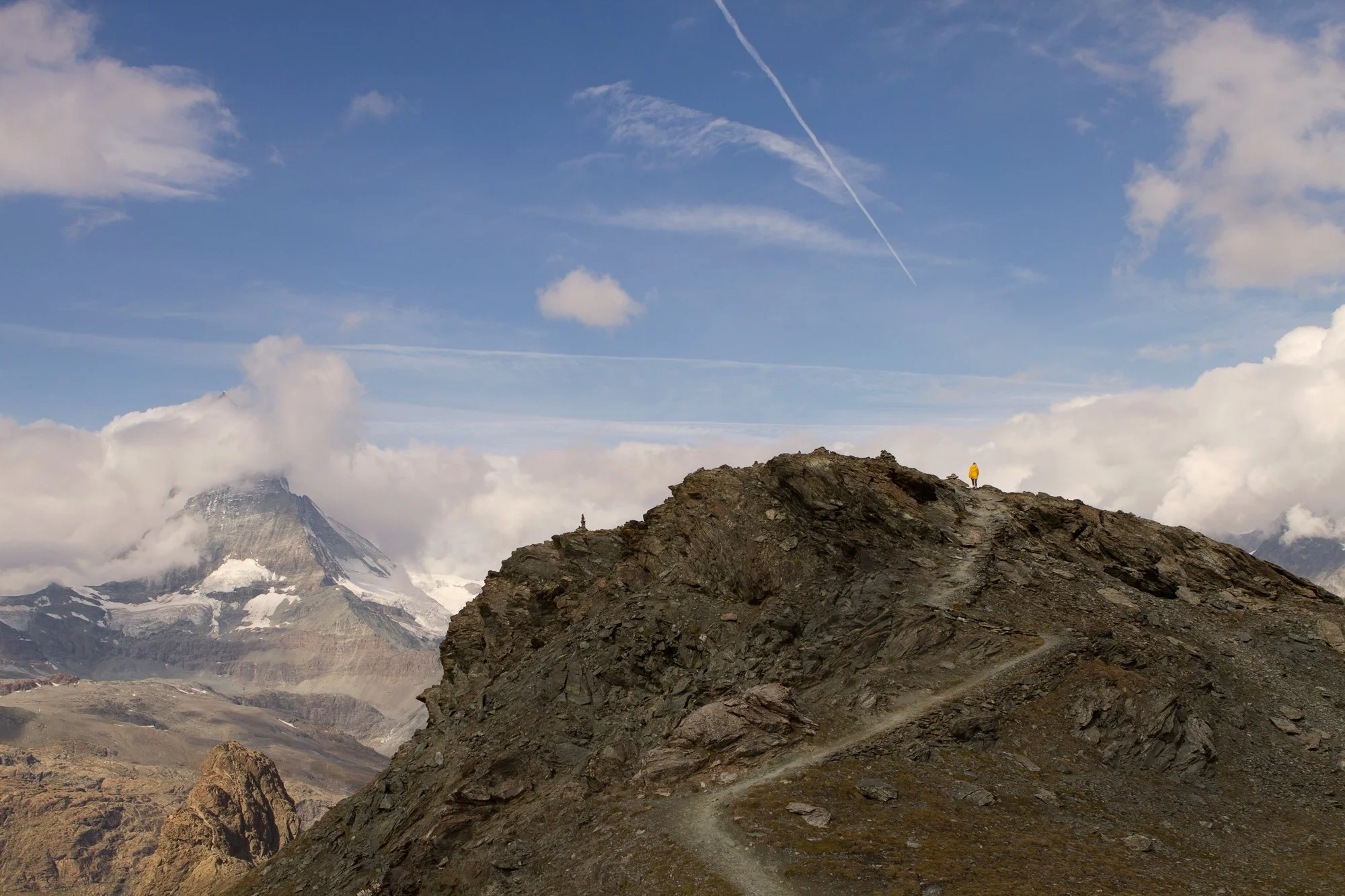
Hörnlihütte — The Closest You Can Walk to the Matterhorn
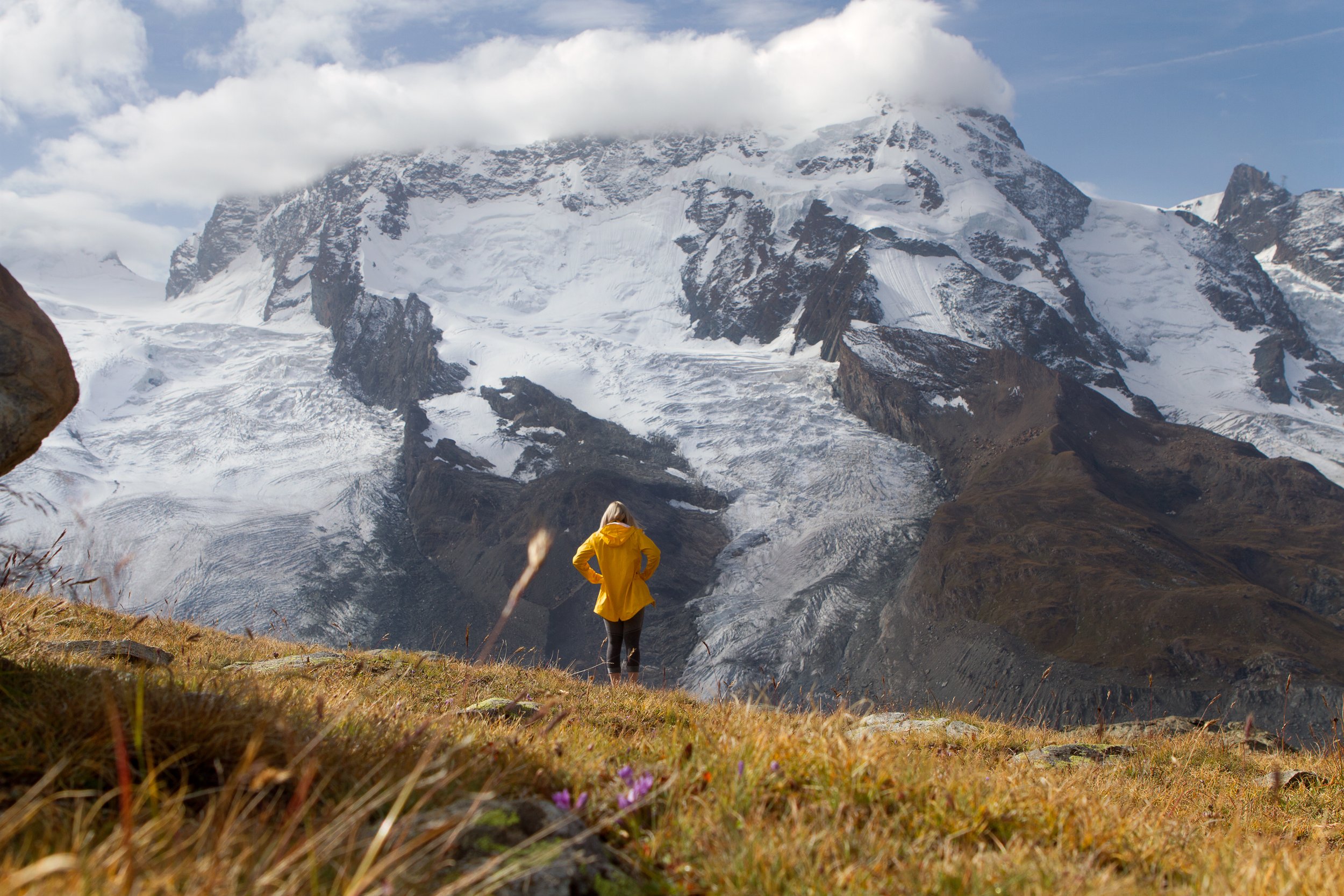
The hike to Hörnlihütte is the most direct way ordinary hikers can stand beneath the Matterhorn’s steep northeast ridge. Starting from Schwarzsee at 2,580 meters, reached by gondola, the trail climbs steadily toward the hut at 3,260 meters. Along the way, the terrain shifts from grassy benches into rocky, exposed slopes, with metal walkways and chains installed where the old path has eroded — a signature of Switzerland’s blue‑white alpine routes, which are steeper and more technical than standard trails.
The hike is short but demanding: about 8–9 km round‑trip with roughly 700–750 m of ascent, usually taking 4–5 hours depending on pace and conditions. It’s one of Zermatt’s most dramatic viewpoints, with the Matterhorn growing larger at every turn, and best done from July to September, when the route is typically snow‑free and morning light keeps the peak clear of clouds.
Food & Mountain Meals
Carrot Cake + Weissbier at Edelweiss (must‑do)
There are mountain huts — and then there’s Edelweiss Zermatt.
Eating their famous carrot cake and a cold weissbier after a climb feels like a ritual more than a snack. Sweet, cold, airy, perfect.
Steak at Filet et Fils
One of the most tender steaks we’ve had anywhere — simple, precise, beautifully cooked. A restaurant worth booking ahead for.
Lamb at Le Mazot
Warm lighting, alpine coziness, and a lamb dish that feels crafted rather than cooked. A quiet, comforting evening meal after a long day on the trails.These meals help explain why Zermatt has become known as much for dining as for hiking — the village is small, but its culinary scene is dense and deliberate.
Breakfast at Chez Vrony — The Uphill Worth Waking For
From Zermatt, the climb to Chez Vrony is a steady, scenic wake‑up call. You rise out of the village, passing small settlements and meadows, until the valley opens and the Matterhorn takes over the view.
And then — breakfast.
Fresh bread, eggs, mountain air, and a view from one of the most iconic restaurants in Switzerland. Sitting here in the morning sun feels like a privilege earned by footstep.
Where to Stay — A Few Standouts
Zermatt’s hotel landscape is famously high-end. Here are a few favorites based on credibility, design, and reputation:
Luxury & Iconic
Grand Hotel Zermatterhof — Historic 5★ classic with spa, elegant dining & long alpine tradition.
Riffelalp Resort 2222m — High‑altitude luxury at 2,222 m with Matterhorn views & ski‑in/ski‑out access.
Boutique, Design & View Hotels
Matterhorn Focus — Modern design, calm atmosphere, spa, and door‑to‑trail skiing in winter.
Hotel Bella Vista Zermatt — Family‑run, charming, warm atmosphere, great views.
Hotel Phoenix — Scandinavian‑leaning minimal design, quiet location, excellent value.
Hotel Welschen — Friendly, mid‑range, near Sunnegga funicular — perfect for hikers.
Mid‑Range & More Affordable Options
Hotel Garni Testa Grigia — Simple, clean, central, one of the best “affordable” Zermatt picks.
Zermatt Budget Rooms (Alpen Resort) — Budget prices with access to spa & pool at the main resort.
Zermatt Today — Beautiful, But Expensive
Zermatt’s charm hasn’t faded, but neither have its prices. With over 100 hotels and a luxury‑focused tourism industry, the village is known as one of Switzerland’s high‑cost destinations.
But the trade-off is real:
Car-free streets, glacier views, an iconic mountain, alpine trains, clean air, sky‑high gastronomic standards, and trails that feel like they were drawn specifically for slow, beautiful days outdoors.
In many places, you pay for convenience.
In Zermatt, you pay for spectacle.
Why You Should Go
Because Zermatt isn’t just a place — it’s an experience stitched together by viewpoints and small rituals: watching the light on the Matterhorn, hiking lake to lake, eating cake in a hut clinging to the cliffside, wandering down from Gornergrat as the valley opens, or sharing a late dinner as the village quiets down.
Travel here in September if you can.
Walk slowly.
Eat well.
Let the mountain show you what it wants to show you.
Your guide to Zermatt starts here — the rest happens on the trails.
